Creating irrational miners
In game theory, one generally assumes that every player in the scenario behaves rationally, that is to say - they are motivated by maximizing their own profits. In the Bitcoin mining world, every large-scale miner is rational - they care about their bottom line and profits. If it is profitable to mine, they mine, if not, they either switch to more efficient hardware (CPU->GPU->FPGA->ASIC->better ASICs), don't turn on their miners (minimizing losses), or outright buy bitcoins from the market (if they aim to accumulate bitcoins).
Since the Bitcoin difficulty is self-correcting, eventually the market weeds out the most inefficient miners until mining becomes profitable again. All in all, it's a strange mix between the tragedy of commons and an arms race that makes Bitcoin more and more resilient to attacks (a potential attacker would have to incest more money into the attack than everyone else combined).
However, earning money from mining is only one motivator a potential miner might have. Just like Google indirectly benefits from laying down Google Fiber that gets more people onto the Internet where Google can monetize them with ads, Bitcoin companies might devote some of their resources to mining even at a loss. For example, SatoshiDice might want to have its own mining pool to push through all of its pending transactions that some other pools might consider to be spam. Big exchanges would similarly want to make sure all of their deposits and withdrawals are processed faster than its competitors, etc. Lastly, companies might want to mine just to make sure the Bitcoin network is more decentralized.
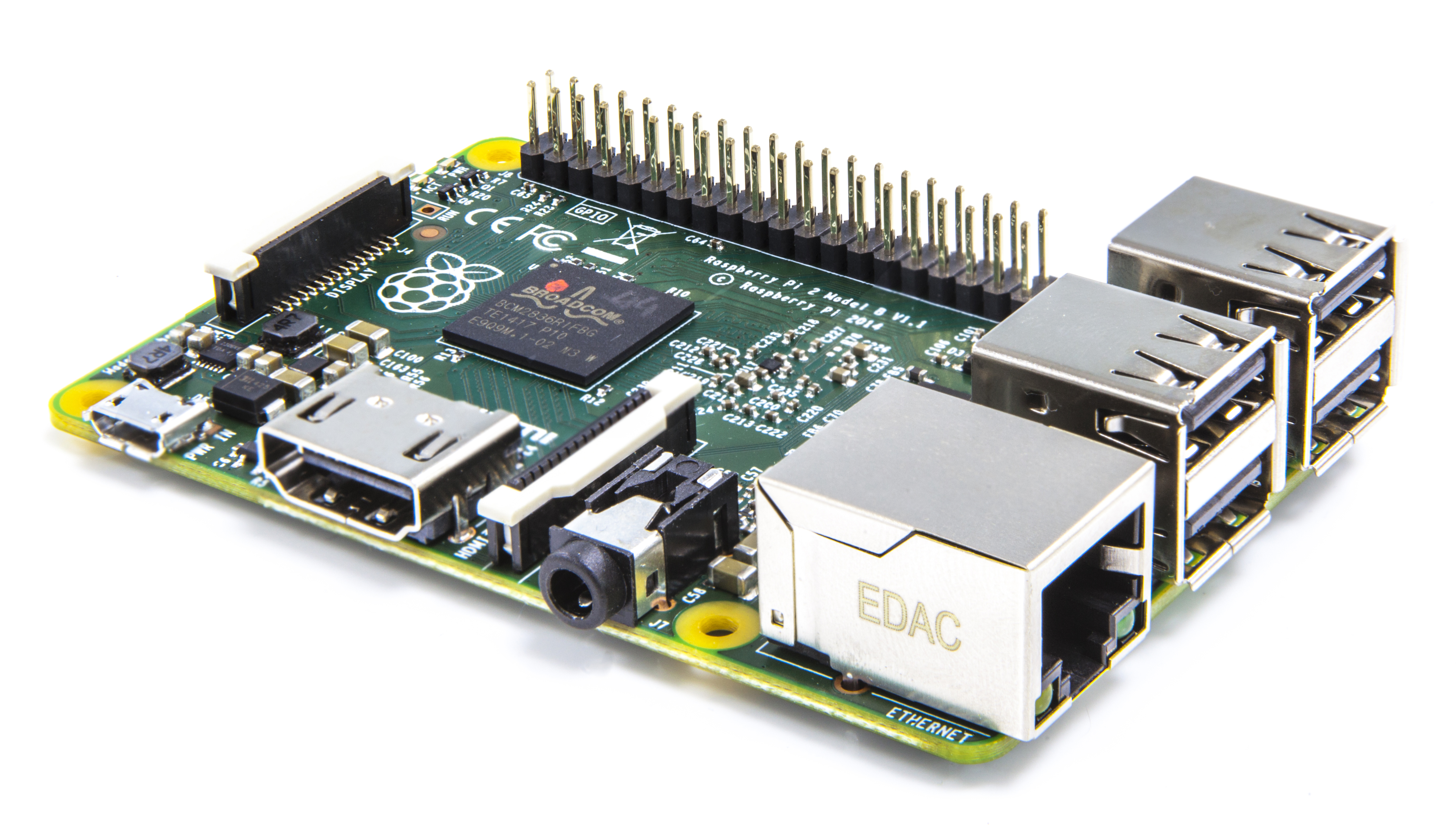
And now, with companies like 21 Inc pushing for inclusion of their mining chips into various devices, we might see an emergence of essentially botnets of low-powered miners contributing their hashing power to their creators.
Botnet mining
Botnet mining bitcoins isn't really all that new. We had some mining viruses bundled with torrents, esports server code, or even embedded in websites through WebGL. However, since nowadays mining with anything short of a dedicated ASIC chip is worth less than the coding time required to run it. However, if we start embedding small ASIC chips into devices, things might get more interesting...
It would be possible for hardware manufacturers to include physical bundleware / crapware into their products similar to how phones nowadays come with pre-installed bloatware. Like 21 Inc's investor slides suggest, those mining chips would probably come with pre-defined address they will be always mining a portion of their income to, creating a revenue stream for the chip or phone manufacturers, or perhaps network operators or the like. I would also suspect that for some amount of time most of those chips would be locked in to a specific pool (similar to carrier-locking), which means most of the value of the chip will probably be extracted in a controlled fashion.
All in all, what would this boil down to? Most likely, the people that purchase the device with a bundled miner that would mine for a specified pool say, when the device is plugged in or charged. Maybe if we're lucky, those devices would mine on something like P2Pool, but that has its own problems. The customers might not notice their devices eat up a few extra dollars of electricity and could break down faster after the warranty is over. They would get some dust balances to use in the Internet of Things, but that wouldn't matter much in comparison to some other implications.
The Bitcoin difficulty could be pushed up over time, accelerating its already fast growth. Traditional for-profit miners would have harder and harder time competing in the market against the botnet. If the miners would really be pushed into every device, they would probably be unable to compete shy of plugging new chips in straight from the factory for mining before consumer electronics devices would go through the process of production-shipping-sale-mining. ASIC manufacturers would probably start offering their own mining chips and compete to build their own botnets of devices with bundled miners. Perhaps there would be some market for second-hand mining chips - the manufacturers would first mine with a fresh batch of chips to get in on the lower initial difficulty (possibly under the pretext of "stress testing"), then when it becomes unprofitable, the chips would be sold to consumers, a bit like what Butterfly Labs was doing, only on a bigger scale.
At that point, we would probably see traditional Bitcoin mining pools be replaced with pools owned by chip / hardware manufacturers or network operators. While the talk of "redecentralizing Bitcoin" is all well and good, when push comes to shove I doubt final consumers would be mining through P2Pool if the profits could instead be directed through some big corporation's pocket. Providing the cost of running such a pool would be small, you could still squeeze in a bit of money out of your consumers by making them pay for the electricity used in mining.
Getting your bitcoins for cheap / free might be undesirable, if you subscribe to the labour theory of value (a good is worth about as much as it costs to produce it). While a mining pool today might be more careful with its hard earned coins - selling them for as much as possible, waiting to sell if the price dips, etc. - a botnet mining pool might not care as much. They might also not care as much about various Bitcoin issues - they might not vote on various BIPs, not care if their software provider creates a pool that censors some transactions, create empty blocks, be easier to sell their mining power to "double-spend-as-a-service" pools, etc. If the mining is forced onto the users, they can't vote with their feet unless they are willing to unplug their electronics completely.
The Bitcoin difficulty could be pushed up over time, accelerating its already fast growth. Traditional for-profit miners would have harder and harder time competing in the market against the botnet. If the miners would really be pushed into every device, they would probably be unable to compete shy of plugging new chips in straight from the factory for mining before consumer electronics devices would go through the process of production-shipping-sale-mining. ASIC manufacturers would probably start offering their own mining chips and compete to build their own botnets of devices with bundled miners. Perhaps there would be some market for second-hand mining chips - the manufacturers would first mine with a fresh batch of chips to get in on the lower initial difficulty (possibly under the pretext of "stress testing"), then when it becomes unprofitable, the chips would be sold to consumers, a bit like what Butterfly Labs was doing, only on a bigger scale.
At that point, we would probably see traditional Bitcoin mining pools be replaced with pools owned by chip / hardware manufacturers or network operators. While the talk of "redecentralizing Bitcoin" is all well and good, when push comes to shove I doubt final consumers would be mining through P2Pool if the profits could instead be directed through some big corporation's pocket. Providing the cost of running such a pool would be small, you could still squeeze in a bit of money out of your consumers by making them pay for the electricity used in mining.
Getting your bitcoins for cheap / free might be undesirable, if you subscribe to the labour theory of value (a good is worth about as much as it costs to produce it). While a mining pool today might be more careful with its hard earned coins - selling them for as much as possible, waiting to sell if the price dips, etc. - a botnet mining pool might not care as much. They might also not care as much about various Bitcoin issues - they might not vote on various BIPs, not care if their software provider creates a pool that censors some transactions, create empty blocks, be easier to sell their mining power to "double-spend-as-a-service" pools, etc. If the mining is forced onto the users, they can't vote with their feet unless they are willing to unplug their electronics completely.
Conclusions
While the current state of largely centralized mining pools might be a potential Sword of Damocles hanging over the Bitcoin network, they have a strong incentive not to attack the network:
If a greedy attacker is able to assemble more CPU power than all the honest nodes, he would have to choose between using it to defraud people by stealing back his payments, or using it to generate new coins. He ought to find it more profitable to play by the rules, such rules that favour him with more new coins than everyone else combined, than to undermine the system and the validity of his own wealth.
Giving the mining power to everyone through a P2Pool-like solution might be seen as similar to low information voters - a lot of them would not know what to do.
If embedded mining chips become more widespread, we could see them disrupting the current mining status-quo, but I ultimately doubt the new mining pools would be much more decentralized than the current ones. They would also have less incentives to care about the Bitcoin network - it's not their main business.
If embedded mining chips become more widespread, we could see them disrupting the current mining status-quo, but I ultimately doubt the new mining pools would be much more decentralized than the current ones. They would also have less incentives to care about the Bitcoin network - it's not their main business.
Only time will tell how this will play out.